
By Elizabeth Lowham, Author of Sonnets and Serpents
In Sonnets and Serpents, a university professor, Yvette, poses an impromptu exam to one of the characters by saying, “You will have all kinds of experiences in life. Things that just happen. If you never pause to evaluate any of them, to look back and ask what they’ve taught you and how you intend to direct yourself as a result, then what is the purpose?”
I spend a lot of my life just getting from one day to the next. Between caring for my children, running errands, driving places, serving in my church, writing books, marketing books, and—oh, no, it’s dinnertime again, and the chicken is still frozen!
Time has a way of slipping past with alarming speed, and, if you’re anything like me, it feels difficult enough just to manage current events. When am I going to find the time to look back and evaluate things that have already happened? But, as Yvette says, without reflection, what is the purpose of everything I’ve experienced? Without reflection, life is a bucking horse, and I’m going to get tossed and trampled because I haven’t seized the reins.
Yvette isn’t alone in valuing self-reflection. Dozens of sources encourage us to regularly take a few minutes to pause and reflect—Walden University calls self-reflection “key in great leadership,” UCLA encourages leveraging self-reflection skills to improve teaching (which is as important for parents as for career educators), and Forbes magazine even goes as far as to call self-reflection a superpower.
I firmly believe we don’t exist in this life just to exist. I think we’re here to connect with others, to improve our small corner of the world, to exercise creativity, to learn grace, to gather experience, and to grow. As we strive to correct our mistakes, learn new skills, and become better people, we can employ deliberate self-reflection as one of our biggest assets.
Self-improvement might happen by chance if we’re lucky, but it’s inevitable when we’re deliberate.
Reflection can open the doorway to second chances, both for ourselves and for others: We might look back on an interaction with a frustrating person only to recognize our own stress that day and how the frustration was not one-sided. Reflection can show us our failings and what to change—“I lost my temper because I was managing too many responsibilities alone. I need to ask someone for support.” Reflection can remind us of our goals, both personal and professional, and help us measure if we’re getting closer to or farther away from the destination we want for ourselves.
If asked, what would you say to Yvette’s exam? What have you learned from a recent experience and how are you going to direct tomorrow as a result?
I think I would say, “I took a few minutes to write a blog post, and it reminded me how much I enjoy nonfiction writing. I recently learned of a journal that publishes essays related to young adult literature—a passion of mine—and, on Tuesday, I’m going to brainstorm ideas to see if any essay topics spark my interest.”
Look at that—today’s reflection isn’t anything earth-shattering. It’s just a little direction for my days moving forward, a small recognition of things I enjoy and a plan for how I can make space for them in the chaos.
Change is inevitable if we’re deliberate, and we are the directing force of our own lives. All we have to do is slow down enough to see how.
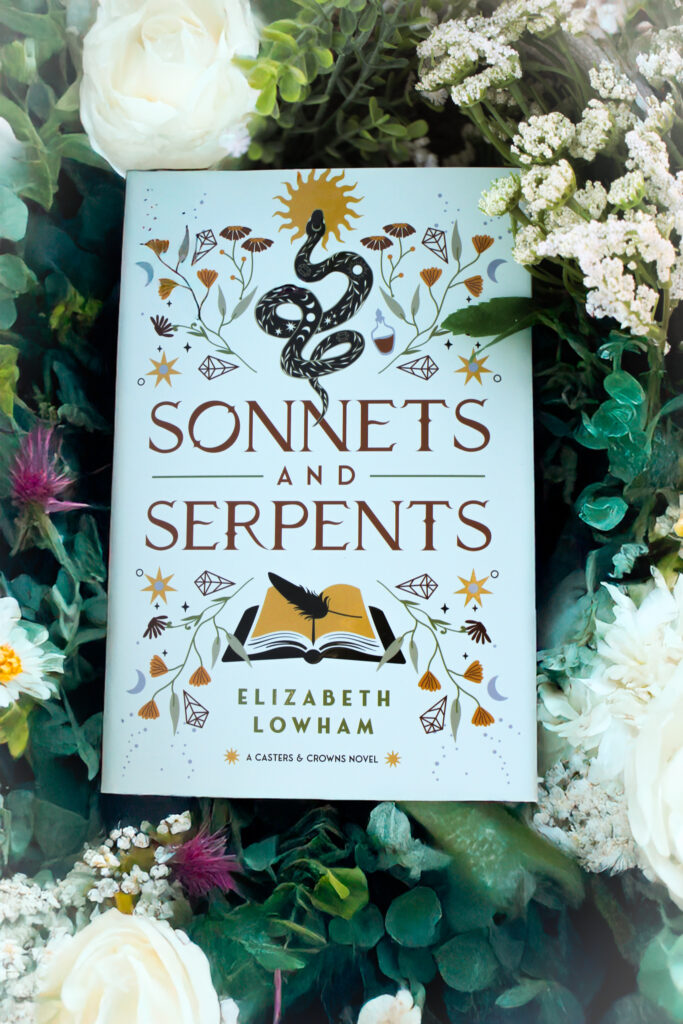
NEW! Sonnets and Serpents: A cynical shapeshifter. A hopeful princess. A love they never saw coming.
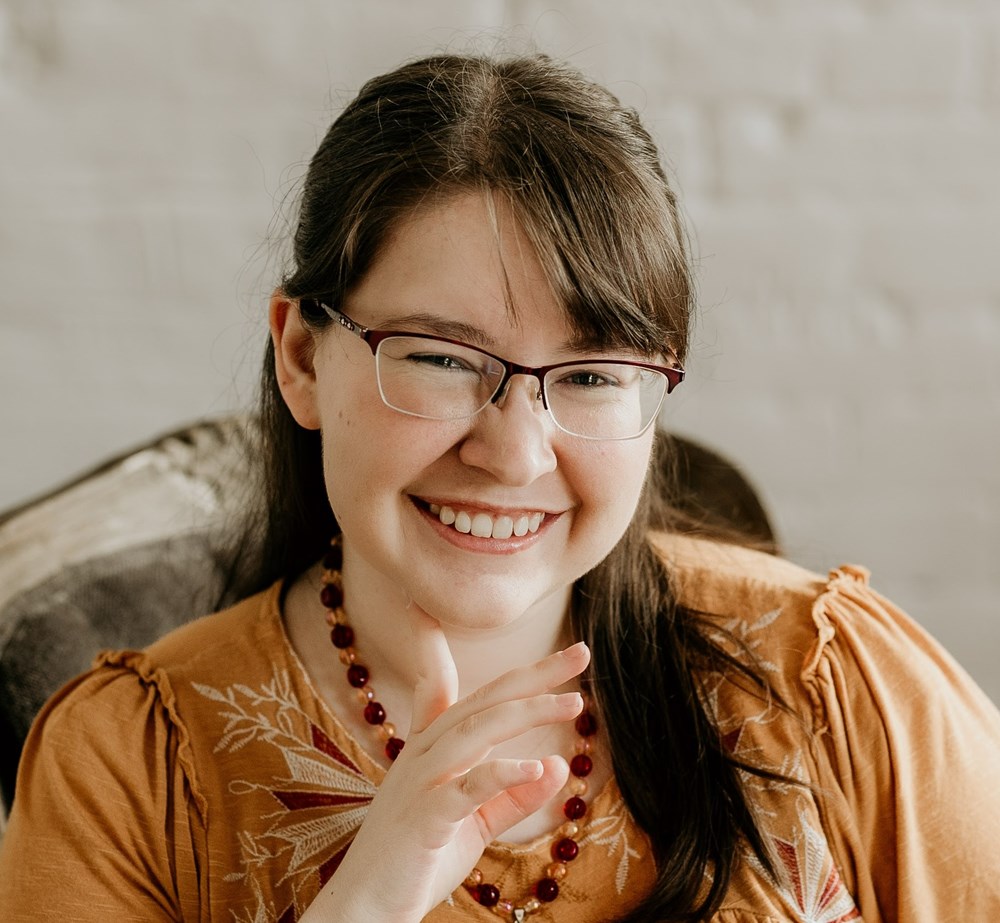
Elizabeth Lowham dreams of a future house that is seventy-percent library with at least three lavish window seats. Her reality is five bookshelves and a rocking chair, which isn’t so bad. Apart from reading and writing, her hobbies include sewing, sketching, dancing, eating, and other -ing verbs. Plus yoga. She has a bachelor of arts in English and works as an author, editor, and solicited screenwriter. She is a sexual abuse survivor who believes stories have a unique power to lift and heal for author and reader alike. She lives with her husband and son in the Loveland area of Colorado.
